Why Great Scuba Divers Never Stop Learning
Mark London Jul 16, 2026
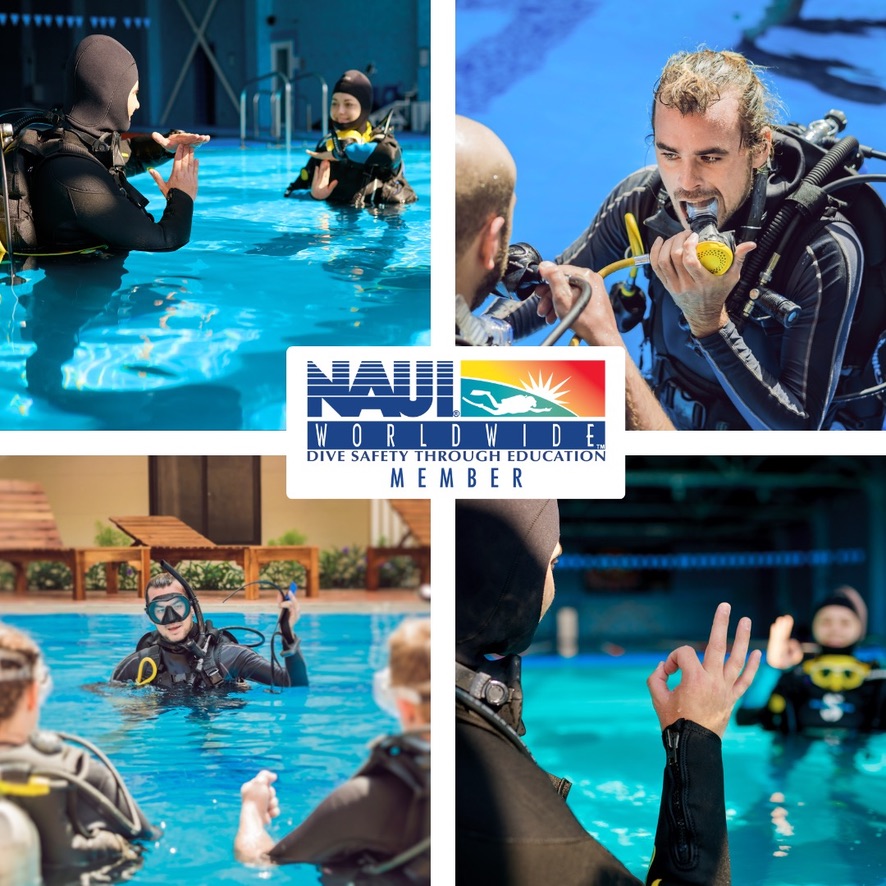
Why the Best Scuba Divers Never Stop Learning
If you ask a brand-new diver what makes someone "good" at scuba diving, you'll probably hear answers like, "They dive deep," "They've been diving for years," or "They've logged hundreds of dives."
Ask a seasoned diver the same question, and you'll likely get a very different answer.
The best divers aren't necessarily the ones with the most dives in their logbook. They're the ones who approach every dive with curiosity, preparation, and respect for the underwater environment. They understand that scuba diving is a lifelong journey of learning, and that every dive—whether it's in a local Texas lake or on a tropical reef—offers an opportunity to improve.
At Deep Abyss Scuba, we believe that becoming a great diver isn't about chasing numbers. It's about building confidence, developing solid habits, and making smart decisions that allow you to safely enjoy the underwater world for years to come.

Diving Starts Long Before You Enter the Water
One of the biggest lessons experienced divers learn is that the dive actually begins before your gear is assembled.
Preparation plays a huge role in every successful dive. Before loading your equipment into the truck or boarding the boat, take a few moments to ask yourself a few simple questions.
-
Am I well-rested?
-
Have I been drinking enough water?
-
Do I feel healthy today?
-
Am I mentally focused?
-
Is today's dive appropriate for my current experience?
These questions may seem simple, but they can have a tremendous impact on your safety and enjoyment underwater.
Unlike many sports, scuba diving combines physical activity with decision-making in an environment where small problems can quickly become bigger ones. Starting the day prepared gives you the best chance of having an enjoyable dive.
Sometimes, the smartest decision you'll make is deciding to skip a dive because you're not feeling your best. The ocean isn't going anywhere.
Trust Your Equipment—Because You Take Care of It
Every diver depends on their equipment, but confidence in your gear doesn't happen by accident.
Quality equipment deserves proper care.
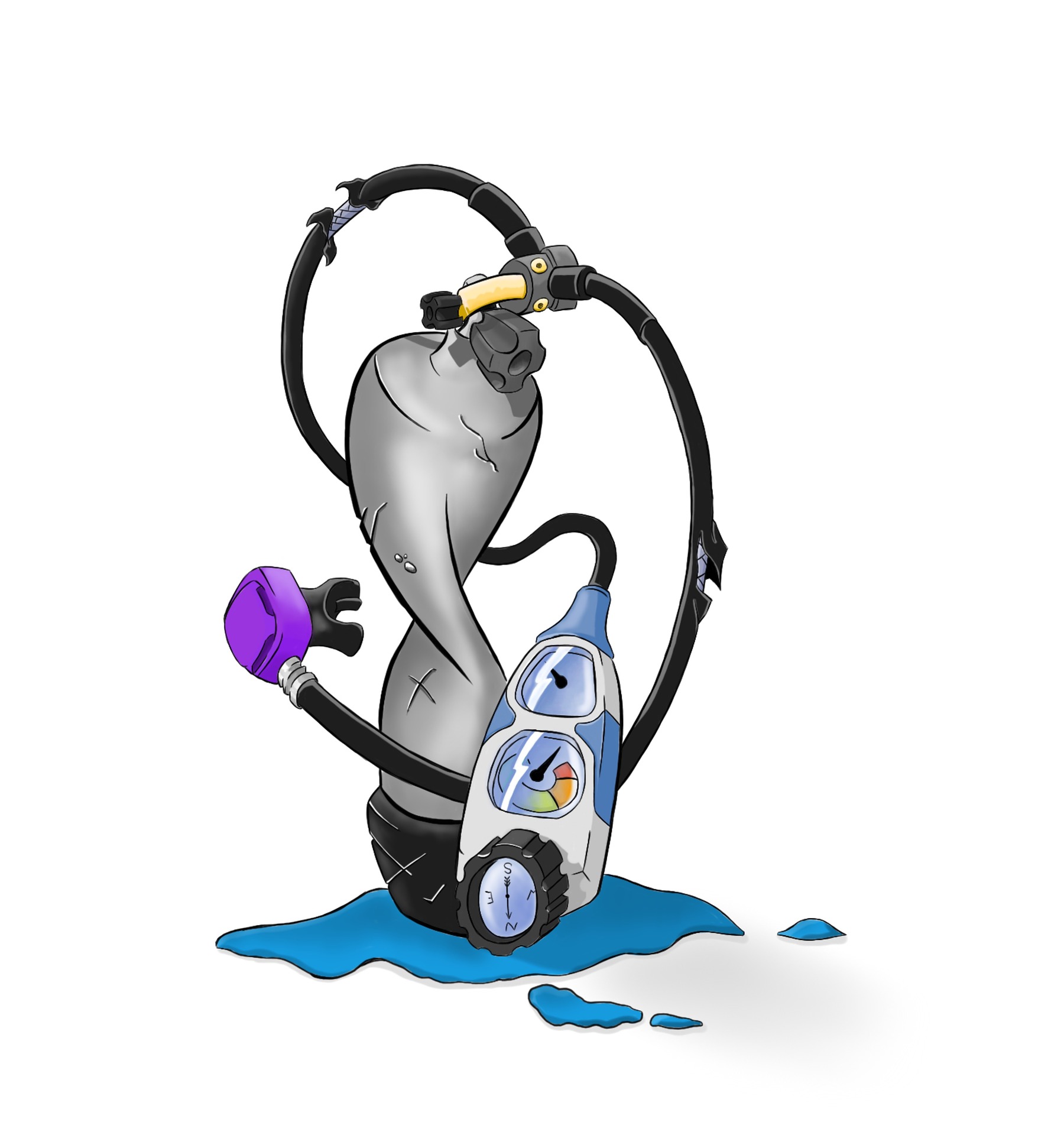
After every dive, rinse your gear thoroughly with fresh water, inspect hoses and buckles for wear, allow everything to dry completely, and store it in a cool, dry location. Following the manufacturer's recommended service intervals for regulators and BCDs helps ensure everything performs the way it's designed.
Just as importantly, take a few extra minutes before every dive to perform a complete buddy check. Verify your air supply, test your inflator and deflator, confirm your weights are secure, and make sure both you and your buddy understand how each other's equipment works.
Those few minutes on the surface create peace of mind once you're underwater.
Slow Is Smooth, Smooth Is Efficient
Many newer divers believe the goal is to cover as much underwater territory as possible.
Experienced divers know better.
The ocean rewards patience.
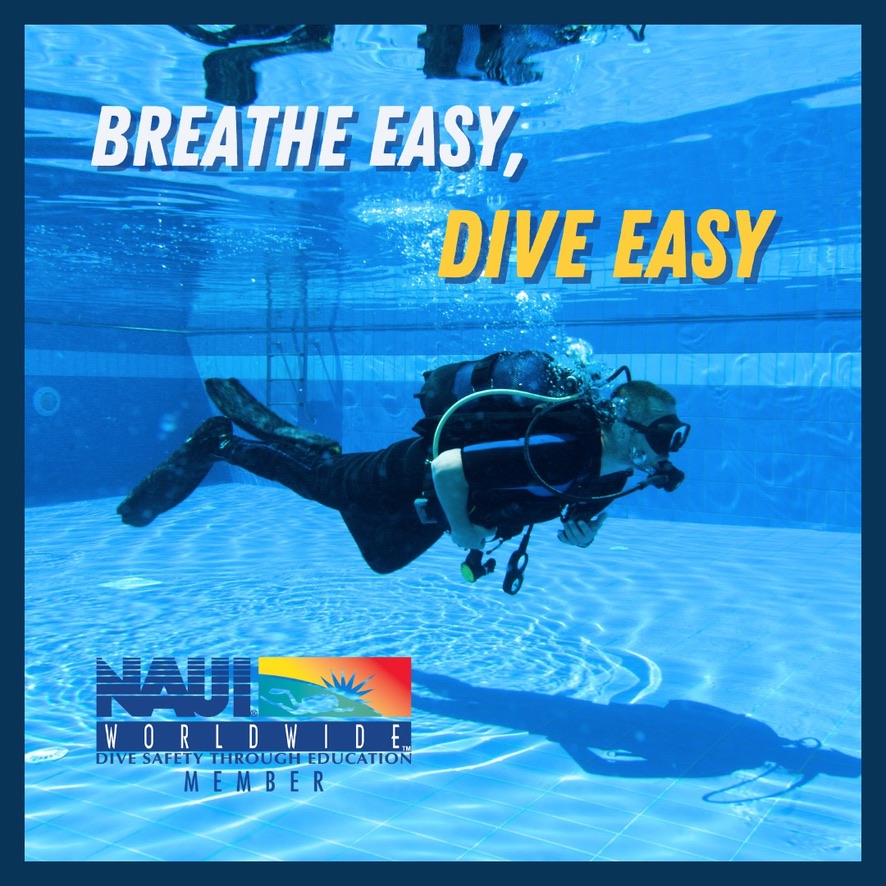
Swimming slowly, breathing calmly, and maintaining good buoyancy allows you to notice incredible marine life that rushed divers often miss. You'll also conserve breathing gas, reduce fatigue, and become a more comfortable diver.
Excellent buoyancy isn't just about looking good underwater. It protects fragile reefs, prevents accidental contact with marine life, and makes every dive feel effortless.
One of the most satisfying moments for any diver is realizing they can hover motionless above the bottom with almost no movement at all.
That level of control comes with practice—and it's well worth the effort.
Every Dive Has a Plan
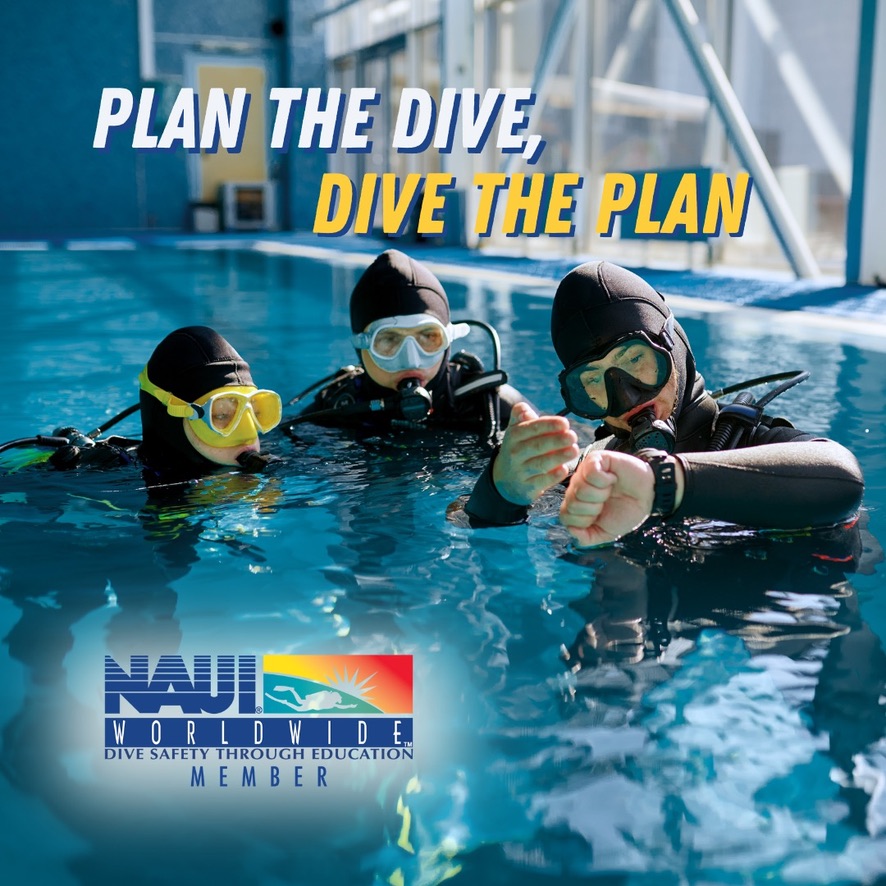
No matter where you're diving, having a plan matters.
Before entering the water, discuss the details with your buddy or dive team.
Talk about the route you'll follow, your maximum depth, expected bottom time, air pressure for turning the dive, communication signals, and what you'll do if you become separated.
A well-planned dive doesn't remove every challenge, but it makes responding to those challenges much easier.
Communication is one of the simplest ways to improve dive safety, yet it's often overlooked.
The best dive buddies leave very little to chance.
Build Experience One Adventure at a Time
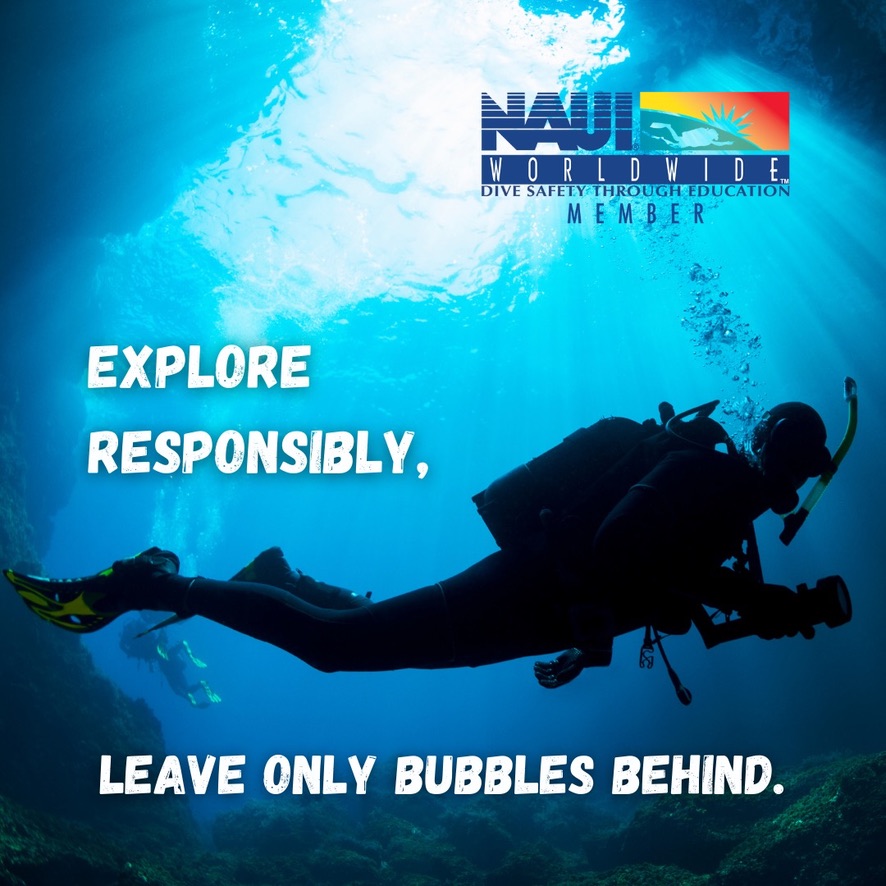
Social media is filled with breathtaking images of deep wrecks, shark encounters, dramatic drift dives, and underwater caves. Those adventures inspire many divers to continue their education—and that's a great thing.
But every exciting environment requires additional skills.
Instead of rushing toward advanced dives, focus on building experience gradually. Improve your buoyancy, become comfortable with navigation, learn how to manage your breathing, and continue your education through specialty courses.
Confidence grows from experience, not shortcuts.
Whether you're interested in night diving, wreck exploration, deep diving, or underwater photography, every new certification adds another layer of knowledge that makes future adventures even more rewarding.
Never Stop Paying Attention
One of the easiest habits to develop is simply staying aware.
Keep an eye on your air supply.
Monitor your depth.
Watch your buddy.
Notice changes in current or visibility.
Check how you're feeling throughout the dive.
Situational awareness isn't something that only instructors practice. It's a habit every diver can develop, and it becomes second nature over time.
Small observations often prevent bigger problems.
The Dive Community Makes Us Better
One of the greatest parts of scuba diving isn't the equipment or even the incredible places we visit.
It's the people.
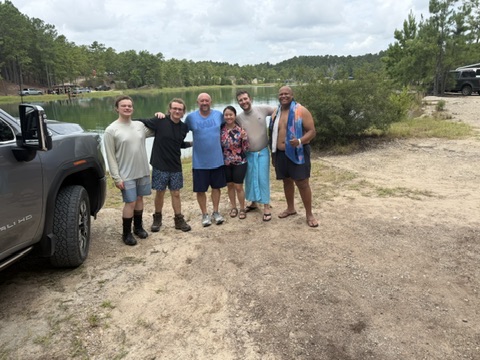
Divers love sharing knowledge, encouraging new divers, and celebrating each other's accomplishments. Whether you're attending a local dive club meeting, joining a weekend quarry dive, or traveling with friends to the Caribbean, every dive is an opportunity to learn from someone else's experience.
At Deep Abyss Scuba, we've built our community around that idea.
We don't just teach certification classes—we help divers continue growing long after they've earned their certification cards.
From refresher courses and specialty certifications to local fun dives and international dive trips, we're committed to helping every diver become safer, more confident, and more comfortable underwater.

Keep Learning. Keep Exploring.
Every dive teaches something new.
Maybe it's a better way to control your buoyancy. Maybe it's improved communication with your buddy. Maybe it's discovering a species you've never seen before.
The most accomplished divers are lifelong students who understand that learning never ends.
Whether you're earning your first certification, preparing for Advanced Open Water, exploring rescue training, or simply looking for a community to dive with, Deep Abyss Scuba is here to help you take the next step.
Dive with Deep Abyss Scuba
Located in the greater Houston area, Deep Abyss Scuba proudly serves divers throughout Southeast Texas with professional scuba certification courses, continuing education, equipment sales and service, guided dive trips, and an active local diving community.
If you've been thinking about becoming a certified diver—or you're ready to expand your skills—we'd love to help you begin your next underwater adventure.
Ready to dive in?
Visit Deep Abyss Scuba to explore our upcoming classes, discover specialty certifications, or stop by the shop and meet our team. The underwater world is waiting, and there's never been a better time to continue your journey.